


Portrait Tattoo Artist Leeds
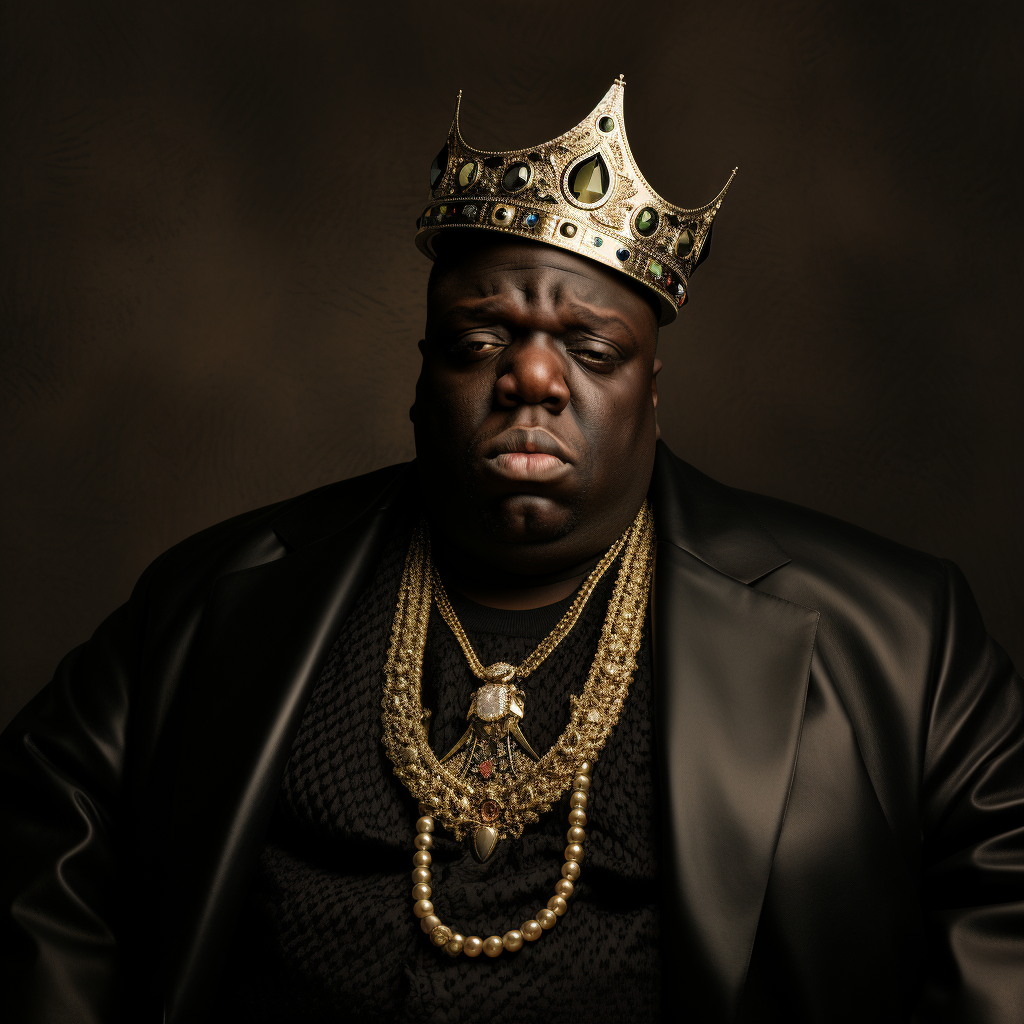
Notorious B.I.G.: The Legend of Biggie Smalls Christopher Wallace, better known as the Notorious B.I.G., Biggie Smalls, or simply Biggie, remains one of the most iconic figures in the history of hip-hop music. His life story, lyrical prowess, and untimely death have solidified his status as a legend in the rap industry. In this 600-word tribute, we delve into the remarkable life and career of the man whose rhymes continue to resonate with fans around the world. Born on May 21, 1972, in Brooklyn, New York, Biggie grew up in the rough neighborhood of Bedford-Stuyvesant. His early years were marked by poverty, crime, and a turbulent family life. Despite these challenges, his natural talent for storytelling began to shine through at an early age. He started rapping as a teenager, and his unique style and flow quickly set him apart from his peers. Biggie’s breakthrough came when he met Sean “Diddy” Combs, then known as Puff Daddy, at a talent competition. Diddy recognized Biggie’s potential and signed him to his label, Bad Boy Records, in 1992. This was the beginning of a partnership that would change the landscape of hip-hop forever. In 1994, Biggie released his debut album, “Ready to Die.” The album was a critical and commercial success, catapulting him into the limelight. Tracks like “Juicy” and “Big Poppa” showcased his lyrical prowess and storytelling abilities. His vivid narratives of life in Brooklyn resonated with fans from all walks of life, and he quickly became a cultural icon. Biggie’s success wasn’t limited to the studio; he was a charismatic performer who commanded the stage with his larger-than-life presence. His performances were electric, and he had a gift for connecting with his audience on a deeply personal level. However, Biggie’s life was not without controversy and turmoil. He became embroiled in the infamous East Coast-West Coast hip-hop rivalry, which pitted him against West Coast rapper Tupac Shakur and his label, Death Row Records. The feud escalated to a dangerous level, resulting in a series of diss tracks and public disputes. Tragically, both Biggie and Tupac would lose their lives in drive-by shootings, leaving the hip-hop world in shock and mourning. Biggie’s death on March 9, 1997, at the age of 24, sent shockwaves through the music industry. His murder remains unsolved to this day, shrouding his legacy in mystery. Despite his short life, Biggie’s impact on hip-hop endures. He released a posthumous album, “Life After Death,” just weeks after his death, which became a critical and commercial success, further solidifying his status as a rap legend. Beyond his music, Biggie’s influence extends into fashion and pop culture. His signature style, featuring designer suits, Kangol hats, and Versace shades, continues to inspire fashion trends. His lyrics, filled with wit, humor, and raw authenticity, have been studied and celebrated by scholars and fans alike. Biggie’s life and legacy have also been the subject of documentaries, books, and films, including the biopic “Notorious” released in 2009. His story serves as a testament to the power of talent, determination, and resilience in the face of adversity. In 2020, he was posthumously inducted into the Rock and Roll Hall of Fame, a fitting tribute to his enduring impact on music. His influence can be heard in the work of countless contemporary artists who cite him as a major inspiration. In conclusion, the Notorious B.I.G. was more than just a rapper; he was a storyteller, a poet, and a cultural icon. His music continues to captivate audiences, and his legacy remains firmly entrenched in the annals of hip-hop history. Biggie Smalls may have left this world prematurely, but his spirit lives on through his timeless lyrics and the indelible mark he left on the world of music.
Click link bellow to follow me on Instagram