


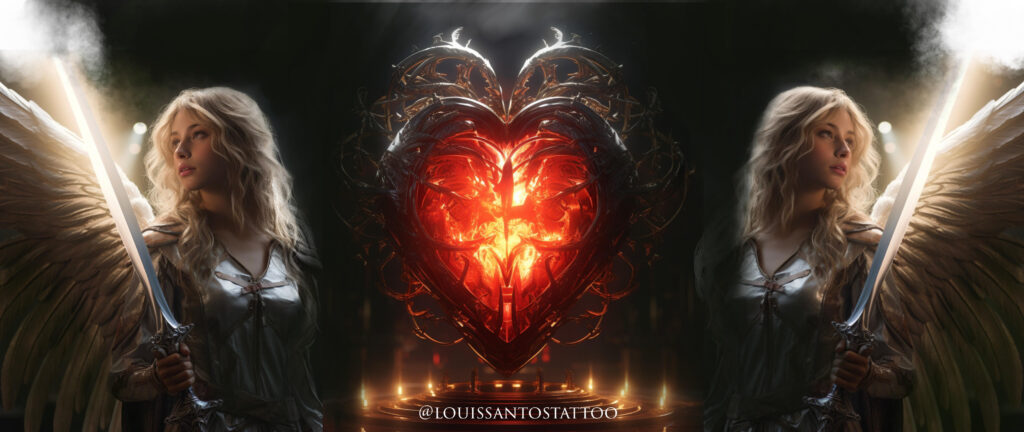
The intersection of artificial intelligence (AI) and art is an intriguing and transformative realm that has the potential to reshape the creative landscape. In this 1000-word exploration, we will delve into how AI could affect art, including the generation of artwork, the creative process, artistic collaboration, and the impact on artistic expression and appreciation.
One of the most significant ways AI is influencing art is through the creation of artwork itself. AI algorithms, such as generative adversarial networks (GANs) and deep learning models, have been employed to generate original pieces of art. By training on vast datasets of existing artwork, these algorithms can learn patterns, styles, and compositions, and then generate entirely new and unique images, paintings, or sculptures.
This AI-generated art raises intriguing questions about the nature of creativity and authorship. While some argue that true creativity can only stem from human imagination and emotion, others view AI-generated art as a collaboration between human and machine, where the artist guides and curates the AI’s output. This blending of human and AI creativity challenges conventional notions of what it means to be an artist and opens up new avenues for artistic exploration.
Moreover, AI can assist artists in the creative process itself. Machine learning algorithms can analyze vast amounts of data, including images, texts, and music, to provide inspiration and generate ideas. AI tools can suggest color palettes, compositions, or even generate rough sketches based on specific criteria or artistic styles. This augmentation of human creativity with AI assistance can enhance the artist’s workflow and stimulate new directions in their artistic practice.
AI also enables unprecedented collaborations between artists and machines. Artists can leverage AI algorithms to create interactive installations, performances, or immersive experiences. For example, AI-powered systems can respond to audience input or environmental data, creating dynamic and adaptive artworks. This fusion of human creativity and AI’s computational power can push the boundaries of artistic expression and engage viewers in novel and unexpected ways.
Additionally, AI has the potential to revolutionize the art industry by enhancing art curation, recommendation systems, and personalized experiences. AI algorithms can analyze vast art databases, learn individual preferences, and provide tailored recommendations to art enthusiasts. Museums and galleries can employ AI to optimize exhibition layouts, predict visitor engagement, or even create virtual art experiences that transcend physical limitations.
However, the integration of AI into the art world is not without its challenges and ethical considerations. One concern is the potential loss of human touch and the personal, emotional connection between the artist and their artwork. While AI can generate visually stunning pieces, it may lack the depth and emotional resonance that comes from human experiences and narratives.
Moreover, the accessibility and democratization of AI-generated art raise questions about originality, copyright, and intellectual property. As AI algorithms learn from existing artworks, there is a risk of unintentional plagiarism or reproducing derivative works. Addressing these ethical concerns requires careful consideration and the development of legal frameworks to protect the rights of artists, whether human or AI-assisted.
Despite these challenges, the integration of AI in art offers exciting opportunities for innovation and exploration. It pushes artists to reconsider their creative processes, collaborate across disciplines, and explore new frontiers of expression. The fusion of human imagination and AI’s computational capabilities can unlock novel artistic visions and challenge traditional boundaries.
In conclusion, AI’s impact on art is multifaceted and transformative. From AI-generated artworks to assisting artists in the creative process, enabling collaborations, and enhancing art experiences, AI is reshaping the artistic landscape. While ethical considerations and challenges persist, the integration of AI in art holds immense potential to inspire, provoke, and expand the horizons of human creativity.
 |