Bio-Mech Full Sleeve Tattoo Leeds

Louis Santos Leeds Tattoo Artist

Leeds Tattoo Artist Louis Santos

Leeds Tattoo Studio Louis Santos Tattoo

When i was Tattooing a full sleeve bio-mech,  i was glad i love to draw. A bio-mech tattoo, it requires a lot of design flow to the human body, so being able to free hand the design, is the best way to approach the tattoo process. This full sleeve tattoo is all free hand, i made sure to follow the shape of his muscles and have fun with it. It was his first tattoo, and he was really patient with the process, which it helped me to work at ease. Click link bellow to visit Instagram page, thank you.

Leeds Tattoo Artist Louis Santos
Tattoo Artist Leeds Louis Santos

Angel Religious Tattoo Idea

Tattoo Studio Leeds

Tattoo Artist Leeds

Being a creative tattoo artist is an art form that requires a unique blend of skill, creativity, and empathy. At its core, tattooing is more than just inking skin; it’s a form of personal expression and storytelling, both for the artist and the client. Every tattoo is a collaboration, a dance of ideas and visions, resulting in a piece that’s both a work of art and a deeply personal symbol. The first step in this creative journey is understanding the client’s desires and motivations. A good tattoo artist listens attentively, not only to grasp what the client wants visually but also to comprehend the emotional and personal significance behind the tattoo. This understanding is crucial because a tattoo often represents a milestone, a memory, or a personal belief. Once the artist grasps the client’s vision, the creative process begins. This is where the artist’s skills and creativity come into play. Unlike other art forms, tattooing is unique because the canvas is the human body. This requires a deep understanding of anatomy, as the curvature and texture of skin can affect the tattoo’s appearance. A creative tattoo artist knows how to adapt their design to fit the body’s contours, enhancing its aesthetic appeal. Moreover, a creative tattoo artist constantly evolves their style and technique. They stay updated with the latest trends, tools, and techniques in the tattooing world. However, they also maintain a unique artistic voice. This balance between trend-awareness and individuality is what sets a remarkable tattoo artist apart. Safety and hygiene are also paramount. A responsible artist ensures that their workspace and tools are sterilized, and they follow all health guidelines. This not only protects the client but also reflects the artist’s professionalism. Furthermore, a creative tattoo artist is also a guide. They help clients through the process, especially those getting their first tattoo. They provide clear instructions on aftercare, ensuring the tattoo heals properly and retains its beauty over time. In the realm of design, creativity knows no bounds. Whether it’s a traditional, realistic, abstract, or custom design, a creative tattoo artist brings a unique flair to each piece. They may mix styles or invent new techniques to create a tattoo that’s truly one-of-a-kind. Collaboration remains a key element. Some of the best tattoo designs come from a synergy of ideas between the artist and the client. It’s this partnership that often leads to the most meaningful and stunning tattoos. In conclusion, being a creative tattoo artist is about more than just technical skill. It’s about connecting with clients, understanding their stories, and bringing their visions to life in a way that’s safe, professional, and deeply personal. It’s a fulfilling journey that combines art, empathy, and continuous learning to create lasting impressions on both skin and heart.


Tattoo Artist Leeds Louis Santos

Angel Digital Art

Leeds Tattoo Artist

Digital art has undeniably revolutionized the world of art in recent years, impacting various creative fields, including the tattoo industry. This transformation has been driven by technological advancements, changing artistic paradigms, and shifts in consumer preferences. In this 600-word exploration, we will delve into how digital art has taken over the art world and examine its profound influence on the tattoo industry. The Rise of Digital Art: Digital art’s ascendancy can be attributed to several factors. Firstly, the accessibility of digital tools has democratized the creation of art. With the proliferation of powerful and affordable digital drawing tablets, software, and online platforms, anyone with an artistic inclination can try their hand at creating digital masterpieces. This democratization has expanded the pool of artists, fostering innovation and diversity within the art world. Secondly, digital art offers unparalleled flexibility and convenience. Artists can easily experiment with various styles, techniques, and color palettes without the constraints of physical mediums. Mistakes can be undone with a simple keystroke, encouraging exploration and risk-taking. This has led to the emergence of new art forms and styles that may not have been feasible with traditional tools. The Influence on the Tattoo Industry: The tattoo industry has been significantly impacted by the rise of digital art. Tattoo artists, traditionally reliant on paper sketches and hand-drawn designs, now have access to digital tools that streamline the design process. They can create intricate, precise designs with ease, allowing for greater customization and collaboration with clients. One of the most profound effects is the ability to create highly detailed and realistic tattoo designs. Digital art enables tattoo artists to create photorealistic portraits, intricate geometric patterns, and detailed illustrations that were challenging to achieve with traditional techniques. This level of detail has expanded the possibilities for tattoo artistry, pushing the boundaries of what can be permanently inked onto the skin. Moreover, the collaboration between tattoo artists and clients has been enhanced through digital art. Clients can provide reference images, make adjustments in real-time, and visualize the final tattoo design before it becomes permanent. This interactive process ensures that clients are more satisfied with the end result, reducing the risk of regrets or miscommunication. Another significant impact is the globalization of tattoo artistry. Digital platforms and social media have enabled tattoo artists to share their work with a global audience. Artists from different corners of the world can inspire and influence each other, leading to the fusion of various artistic styles and cultural influences. This cross-pollination has enriched the tattoo industry, resulting in a broader range of designs and techniques. Furthermore, digital art has changed the marketing and business aspect of the tattoo industry. Tattoo parlors can showcase their artists’ digital portfolios online, attracting a broader clientele and helping clients make informed choices. Social media platforms have become invaluable tools for tattoo artists to promote their work and connect with potential clients, creating a global marketplace for tattoo artistry. In conclusion, digital art has undeniably taken over the world of art, and its impact on the tattoo industry has been transformative. The accessibility, flexibility, and collaborative nature of digital art have elevated the quality and diversity of tattoo designs. Moreover, it has enabled global connections, cross-cultural influences, and effective marketing strategies that have propelled the tattoo industry into a new era of creativity and innovation. As digital art continues to evolve, we can expect even more exciting developments in the world of tattoos, pushing the boundaries of what is possible in this ancient art form.

Leeds Tattoo Studio

Free Hand Black and Grey Tattoo

Leeds Black and grey realism rose tattoos are a captivating form of body art, that combines the elegance of roses with the artistry of monochromatic ink. These tattoos are a testament to the timeless allure of both nature and human creativity. Leeds Rose Tattoos, often revered as the quintessential symbol of love and beauty, have been a favorite subject of tattoo artists for centuries. In black and grey realism, these tattoos take on a whole new level of depth and dimension. The absence of color allows for a focus on intricate details and shading, which results in a stunningly lifelike representation of the flower. The realism aspect of these tattoos in Leeds is what truly sets them apart. Tattoo Artists in Leeds use a combination of skillful techniques to make the rose appear as if it’s freshly plucked from a garden. The delicate folds of petals, the play of light and shadow, and the subtle variations in tone are all meticulously recreated in ink. This level of detail is a testament to the dedication and craftsmanship of the tattoo artist. One of the striking aspects of black and grey realism rose tattoos is their versatility. They can be inked in various sizes and styles, from a small and discreet rose on the wrist to a sprawling, intricate design that covers the entire back. This adaptability allows individuals to express their personal style and preferences while still embracing the classic beauty of the rose. Moreover, these tattoos often carry deep symbolism. Roses have long been associated with themes like love, passion, and even loss. In black and grey, the tattoo can take on a more somber and contemplative tone, making it a powerful way for individuals to convey their emotions and experiences through art. The enduring popularity of black and grey realism rose tattoos also owes much to their timelessness. Unlike trends that come and go, the beauty of these tattoos remains constant. They are as captivating today as they were decades ago and will likely continue to be for generations to come. In conclusion, black and grey realism rose tattoos are a testament to the enduring beauty of nature and human creativity. These tattoos capture the elegance and depth of roses in a way that is both striking and deeply personal. Whether chosen for their symbolism, artistry, or sheer aesthetic appeal, these tattoos are a timeless expression of beauty etched into the skin.


Egyptian Mythology Digital Art

Tattoo Studio Leeds

Ancient Egyptian Gods and the Art of Resurrection Ancient Egypt, known for its rich culture and deep spiritual beliefs, was home to a pantheon of gods and a complex system of religious practices. Among the most fascinating aspects of this civilization were their beliefs in the afterlife and the role of gods in bringing people back to life. In ancient Egypt, gods played a pivotal role in daily life. The Egyptians believed in a multitude of deities, each with unique characteristics and responsibilities. Some of the most prominent gods included Ra, the sun god; Osiris, the god of the afterlife; and Anubis, the god of mummification and the dead. The concept of resurrection was closely tied to their beliefs in the afterlife. Egyptians believed that the soul, or “ka,” continued to exist after death, and it needed a well-preserved body to ensure a successful journey to the afterlife. This led to the practice of mummification, which was a complex and highly ritualized process. The goal was to preserve the body so that the ka could recognize it in the afterlife. The role of the god Anubis was critical in this process. Anubis was depicted as a jackal-headed figure and was responsible for guiding the deceased through the various stages of the afterlife. He was also the guardian of cemeteries and the god of embalming. When a person died, their body was taken to a temple where skilled embalmers, often priests, would cleanse and preserve it. During the mummification process, various prayers and rituals were performed to invoke the blessings of the gods. This included spells from the Book of the Dead, a collection of texts that provided guidance for the deceased in the afterlife. These spells were believed to aid the soul in its journey and protect it from malevolent forces. Additionally, offerings and sacrifices were made to the gods, particularly to Osiris, who was considered the ruler of the afterlife. Osiris was believed to be the first mummy, resurrected by the magic of his wife and sister, Isis. This myth served as a powerful symbol of resurrection and eternal life. The belief in resurrection extended beyond the physical body. The Egyptians also believed in the concept of a second death, where a person’s name and memory would be preserved through inscriptions and offerings. This belief in the power of remembrance was deeply ingrained in Egyptian society.
 
Ancient Egyptian gods played a central role in the beliefs and practices related to resurrection. The preservation of the body through mummification and the invocation of gods like Anubis and Osiris were crucial in ensuring a successful journey to the afterlife. These beliefs not only reflected the Egyptians’ profound spirituality but also their enduring fascination with the concept of life after death.
 
Click link bellow to visit my Instagram page, thank you


3D Mandala Tattoo Leeds

Leeds Tattoo Artist


The Astonishing World of 3D Tattoos: Artistry Beyond the Skin’s Surface In the realm of tattoo artistry, 3D tattoos stand out as a mesmerizing and visually striking genre. These tattoos go beyond traditional two-dimensional designs, creating the illusion of depth and dimension on the skin. In this exploration of 3D tattoos, we will delve into their history, the artistic techniques behind them, and the mind-bending effects they achieve. **A Brief History:** The concept of 3D tattoos is a relatively recent development in the world of tattooing. While tattoos themselves have an ancient history dating back thousands of years, the idea of creating three-dimensional illusions on the skin is a product of contemporary tattoo innovation. It gained momentum in the early 21st century, driven by advances in tattoo equipment, ink, and the creative vision of tattoo artists worldwide. **Artistic Techniques:** Creating a 3D tattoo requires a blend of artistic skill, technical precision, and an understanding of the human body’s contours. Tattoo artists achieve the illusion of depth through a combination of shading, perspective, and color manipulation. Here are some key techniques involved: 1. **Shading and Highlights:** One of the fundamental techniques in 3D tattooing is shading. By carefully applying various shades of ink, artists create the illusion of shadows and highlights. This gives the tattoo a sense of depth, making the image appear as though it’s rising from the skin. 2. **Perspective:** Artists use perspective to make the tattoo design look as though it’s receding into the skin or popping out. This involves distorting the image slightly to align with the body’s natural contours. 3. **Color Manipulation:** Vibrant colors are often employed to enhance the 3D effect. Skillful use of color can make the tattoo appear more lifelike and immersive. 4. **Optical Illusions:** Some 3D tattoos incorporate optical illusions, such as an image that seems to burst through the skin or reveal hidden layers beneath. These tattoos play with the viewer’s perception, adding an element of surprise and intrigue. **Mind-Bending Effects:** The impact of a well-executed 3D tattoo can be truly mind-bending. Whether it’s a hyper-realistic butterfly seemingly perched on the skin, a lifelike snake slithering along the arm, or an intricately carved portal leading to another world, 3D tattoos have the power to captivate and amaze. One of the most popular themes for 3D tattoos is the “ripped skin” effect, where the tattoo appears to tear through the flesh, revealing something unexpected beneath. These tattoos often feature elements like mechanical parts, animal eyes, or even intricate landscapes hidden beneath the surface. The element of surprise and the illusion of a second reality just beneath the skin make these tattoos a compelling choice for those seeking a unique and attention-grabbing design. **Challenges and Considerations:** While 3D tattoos offer incredible visual appeal, they also present challenges for both the artist and the wearer. Achieving the desired 3D effect demands meticulous attention to detail and a keen understanding of human anatomy. Mistakes in perspective or shading can disrupt the illusion, making it crucial to choose a skilled and experienced artist. Additionally, 3D tattoos may require touch-ups over time to maintain their vibrancy and depth, as the ink can fade and the skin can change with age. Proper aftercare and sun protection are essential to preserving the tattoo’s integrity. In conclusion, 3D tattoos represent a remarkable fusion of art and body modification. They push the boundaries of traditional tattooing by creating immersive and visually stunning designs that appear to transcend the skin’s surface. As the art of tattooing continues to evolve, 3D tattoos serve as a testament to the boundless creativity of tattoo artists and the enduring appeal of this unique form of self-expression.

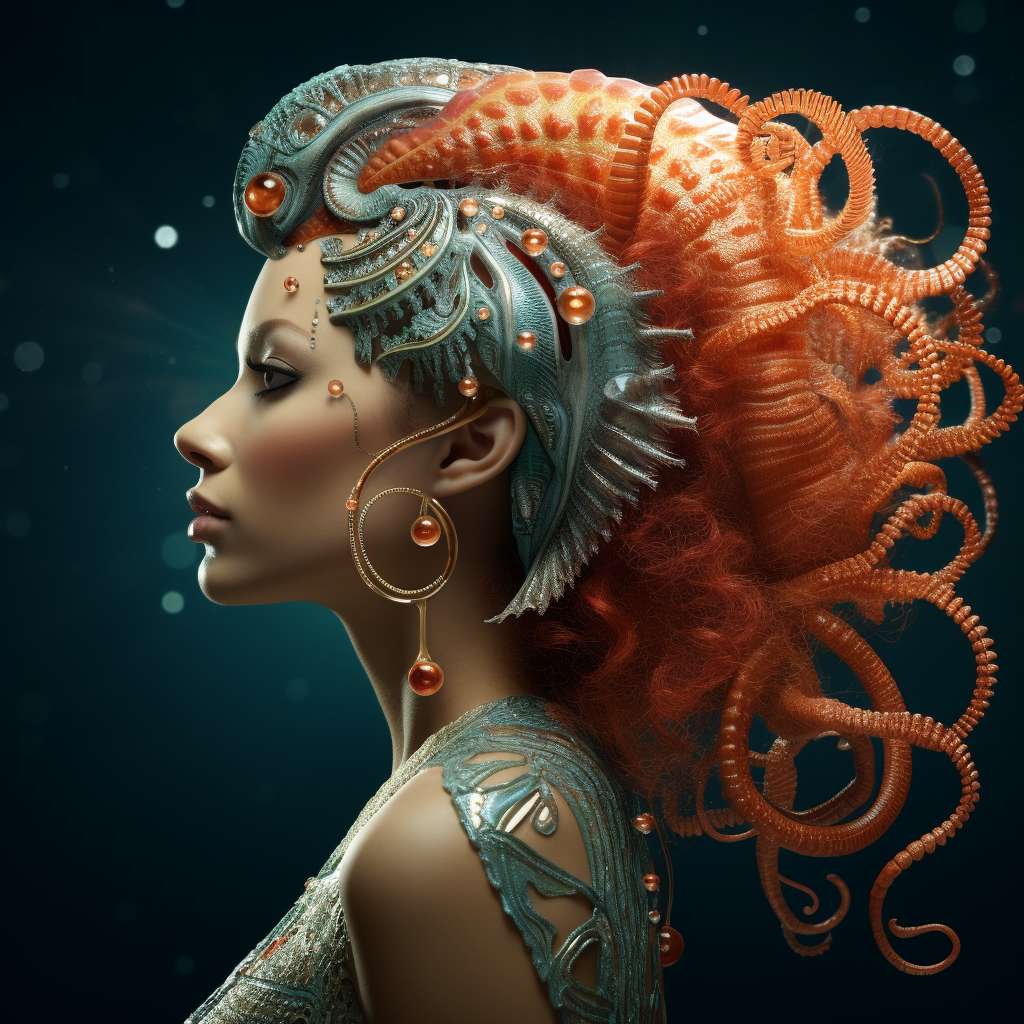
Under Sea Digital Paint

Leeds Tattoo Studio

The undersea world, also known as the marine or oceanic realm, is a vast and fascinating ecosystem that covers approximately 71% of the Earth’s surface. It holds an abundance of life, mystery, and beauty that continues to captivate scientists, explorers, and nature enthusiasts alike. Let’s dive into the depths and explore the wonders that lie beneath the waves.
 
The undersea world is home to a staggering array of organisms, from microscopic phytoplankton to the largest creature on Earth, the blue whale. Coral reefs, found in tropical waters, boast a kaleidoscope of colors as they harbor an extraordinary diversity of fish, invertebrates, and other marine life. These vibrant ecosystems provide vital habitats and nurseries for numerous species.
 
Venturing deeper, we encounter the mysterious twilight zone, where sunlight barely penetrates. Here, bioluminescent organisms light up the darkness, creating a mesmerizing spectacle. Delicate and intricate creatures such as jellyfish, comb jellies, and siphonophores thrive in this ethereal environment.
 
Continuing into the abyssal zone, we reach the vast and seemingly barren expanses of the deep sea floor. Yet, even in this seemingly desolate environment, life thrives. Unique adaptations allow organisms to survive extreme cold, crushing pressure, and a scarcity of nutrients. Hydrothermal vents, spewing hot, mineral-rich fluids, support thriving ecosystems that rely on chemosynthesis instead of sunlight for energy.
 
Exploring the undersea world offers glimpses into prehistoric times, with living fossils like the coelacanth and horseshoe crab. Ancient and elusive creatures like the giant squid and the mysterious vampire squid have intrigued scientists and inspired tales of myth and legend for centuries.
 
The undersea world also plays a crucial role in regulating Earth’s climate and sustaining life on land. Oceans act as a massive heat sink, absorbing and distributing heat around the planet, influencing weather patterns. They also store vast amounts of carbon dioxide, helping to mitigate the effects of climate change. Phytoplankton, microscopic marine plants, contribute significantly to oxygen production, rivaling that of terrestrial forests.
 
However, the undersea world faces numerous threats from human activities. Overfishing, destructive fishing practices, pollution, and climate change pose significant challenges to marine ecosystems. Coral bleaching, caused by rising sea temperatures, is decimating coral reefs worldwide. Plastic waste, oil spills, and excessive nutrient runoff harm marine life and habitats. Conservation efforts, such as marine protected areas and sustainable fishing practices, are crucial for preserving the delicate balance of this unique environment.
 
Technological advancements, such as remotely operated vehicles (ROVs) and submersibles, have allowed scientists to explore the undersea world in greater detail. They enable us to study deep-sea ecosystems, map the ocean floor, and discover new species. The development of marine sanctuaries and marine reserves helps safeguard vulnerable habitats and species.
 
Understanding the undersea world is not only vital for scientific research but also for our own well-being. Oceans provide a source of food, livelihoods, and recreational opportunities for millions of people worldwide. They hold the potential for new discoveries, from medicines derived from marine organisms to renewable energy sources like offshore wind and wave power.
 
In conclusion, the undersea world is an enchanting realm filled with breathtaking biodiversity, mysterious creatures, and vital ecological processes. As we continue to explore and understand this vast and fragile ecosystem, it is essential that we work together to protect and conserve its wonders for future generations to enjoy and learn from.

Click link bellow to view Instagram profile, thank you


3D Mandala Under Water Tattoo

Leeds Tattoo Studio

3D tattoos, also known as three-dimensional tattoos, are a type of body art that creates the illusion of depth and realism on the skin. Unlike traditional tattoos that typically have a two-dimensional appearance, 3D tattoos use shading, highlights, and perspective techniques to make the design appear as if it’s popping out of the skin or creating a realistic three-dimensional effect.
 
These tattoos require a skilled tattoo artist who is experienced in creating depth and dimension through shading, use of color, and intricate details. The artist uses techniques like shadowing, highlighting, and perspective to create the illusion of depth, making the tattoo design appear more lifelike.
 
3D tattoos can take various forms, ranging from hyper-realistic portraits and animals to optical illusions, surreal imagery, or even objects seemingly embedded in the skin, such as gears or mechanical components. Popular subjects for 3D tattoos include insects, flowers, skulls, animals, and fantasy-themed designs.
 
It’s important to note that the effectiveness of a 3D tattoo depends on various factors, including the skill of the tattoo artist, the placement on the body, and how well the tattoo ages over time. Additionally, the level of three-dimensionality may diminish as the tattoo ages or if the skin changes shape due to factors like weight fluctuations or aging.
 
As with any tattoo, it’s crucial to do thorough research and find a reputable and experienced tattoo artist who specializes in 3D tattoos. They can discuss your design ideas, assess feasibility, and provide guidance on how to achieve the desired three-dimensional effect. Remember that tattoos are permanent, so careful consideration and planning are essential before getting any tattoo.

Click link bellow to follow me on Instagram and Tik Tok


Female Viking Warrior Digital Sculpture

Tattoo Artist Leeds

I have lately been experimenting with Z Brush, and this digital modern medium is completely blowing my mind. Its a digital sculpture, which you can sculpt digitally, zbrush can give you a start with which shape you would like to work with, and you can take from that. The history of female Viking warriors is an intriguing topic, although there is limited historical evidence to support their existence. Vikings, who lived during the Viking Age (approximately the 8th to 11th centuries), were primarily known as skilled seafarers, traders, and raiders from Scandinavia.

While Norse sagas and mythological texts mention strong and valiant women, such as shieldmaidens and Valkyries, it is challenging to separate historical fact from myth and legend. Some sagas, like the Icelandic sagas, describe women who took up arms and participated in battles alongside men. However, these sagas were often written centuries after the events they portray and are more focused on storytelling than historical accuracy.

Archaeological evidence has provided limited support for the existence of female Viking warriors. Excavations have revealed graves of women buried with weapons, such as swords and arrows, suggesting that they might have had a martial role in their society. However, it is difficult to ascertain if these women were warriors in the traditional sense or if their graves represent a symbolic connection to weaponry.

Additionally, historical records from the time rarely mention female warriors, focusing more on male warriors and leaders. It’s possible that women may have played supportive roles in Viking society, such as strategists, healers, or even defenders of their homesteads during times of conflict, but it is challenging to determine their exact roles and the extent of their involvement in warfare.

The popular image of the fierce female Viking warrior is undoubtedly captivating, but it’s important to approach the subject with caution due to the lack of definitive historical evidence. Our understanding of the lives and roles of Viking women is continually evolving as new archaeological discoveries and research shed light on this intriguing aspect of history.

Click link bellow to follow me on Instagram

Z Brush, Digital Sculpting, Medusa Tattoo Idea

Tattoo Artist Leeds

I’m now experimenting with Z Brush, its a digital form of sculpting. Its taking me a while to get used to it, however, i do enjoy it, i could see myself doing more of those, so keep an eye for more updates coming from this site. I was experimenting with this greek mythology medusa, so i did’nt want to spend a lot of time doing the snakes, but hopefully, you get the idea. Thanks for looking. Click link bellow to follow my Instagram page.

  • Book your tattoo