Half Sleeve Black and Grey Tattoo

Leeds Tattoo Artist

Black and grey tattoos have a rich and storied history, representing a distinct style within the world of body art. Emerging as a popular tattooing technique, particularly in the 20th century, black and grey tattoos have become a staple in the tattoo industry, captivating both artists and enthusiasts alike.
 
Unlike their colorful counterparts, black and grey tattoos rely solely on varying shades of black ink, achieved through dilution or mixing with water or other solutions. Greywash techniques involve diluting black ink to create different levels of intensity, resulting in a monochromatic and subtle aesthetic. This technique allows for smoother transitions between light and dark, offering a sense of depth and realism to the tattoo.
 
The origins of black and grey tattoos can be traced back to the prison tattoo culture in the United States, where inmates, with limited resources, began experimenting with single-needle and homemade tattoo machines. This led to the development of rudimentary black and grey techniques, driven by necessity and creativity. Over time, these prison-style tattoos gained popularity beyond correctional facilities, eventually finding their place in mainstream tattoo parlors.
 
The appeal of black and grey tattoos lies in their versatility and timeless elegance. They are well-suited for a wide range of designs, from delicate portraits and realistic landscapes to bold tribal patterns and intricate geometric shapes. The lack of color makes these tattoos age gracefully, with minimal fading or distortion over time, provided they receive proper care and maintenance.
 
Furthermore, black and grey tattoos are often preferred for their ability to convey emotion and capture intricate details with shading and texture. Skilled artists can create stunning pieces of art, using subtle gradients to make the tattoo appear three-dimensional, evoking a sense of depth that seems to come alive on the skin.
 
As with any form of tattooing, the success of black and grey tattoos largely depends on the expertise of the tattoo artist. Not all artists are adept at black and grey techniques, as it requires a keen understanding of light, shadow, and contrast. The mastery of the greywash technique demands years of practice and dedication to achieve the desired results, making it a sought-after skill among tattoo artists.
 
Over time, black and grey tattoos have also gained popularity in specific cultural and artistic circles. In the world of street and urban art, black and grey tattoos are often seen as a symbol of rebellion, self-expression, and identity. Many tattoo enthusiasts opt for black and grey tattoos to communicate personal stories, experiences, or tributes, as the monochromatic palette allows for a certain level of intimacy and subtlety that colored tattoos may not achieve.
 
In conclusion, black and grey tattoos have evolved from humble beginnings in the realm of prison culture to becoming a celebrated and timeless style in the contemporary tattoo industry. Their versatility, elegance, and ability to evoke emotions through shading and depth have made them a preferred choice for many individuals seeking meaningful and enduring body art. With skilled artists continuously pushing the boundaries of this style, black and grey tattoos are sure to remain an integral part of tattoo culture for generations to come.
Click link below to navigate to Instagram account


Under Sea Digital Paint

Leeds Tattoo Studio

The undersea world, also known as the marine or oceanic realm, is a vast and fascinating ecosystem that covers approximately 71% of the Earth’s surface. It holds an abundance of life, mystery, and beauty that continues to captivate scientists, explorers, and nature enthusiasts alike. Let’s dive into the depths and explore the wonders that lie beneath the waves.
 
The undersea world is home to a staggering array of organisms, from microscopic phytoplankton to the largest creature on Earth, the blue whale. Coral reefs, found in tropical waters, boast a kaleidoscope of colors as they harbor an extraordinary diversity of fish, invertebrates, and other marine life. These vibrant ecosystems provide vital habitats and nurseries for numerous species.
 
Venturing deeper, we encounter the mysterious twilight zone, where sunlight barely penetrates. Here, bioluminescent organisms light up the darkness, creating a mesmerizing spectacle. Delicate and intricate creatures such as jellyfish, comb jellies, and siphonophores thrive in this ethereal environment.
 
Continuing into the abyssal zone, we reach the vast and seemingly barren expanses of the deep sea floor. Yet, even in this seemingly desolate environment, life thrives. Unique adaptations allow organisms to survive extreme cold, crushing pressure, and a scarcity of nutrients. Hydrothermal vents, spewing hot, mineral-rich fluids, support thriving ecosystems that rely on chemosynthesis instead of sunlight for energy.
 
Exploring the undersea world offers glimpses into prehistoric times, with living fossils like the coelacanth and horseshoe crab. Ancient and elusive creatures like the giant squid and the mysterious vampire squid have intrigued scientists and inspired tales of myth and legend for centuries.
 
The undersea world also plays a crucial role in regulating Earth’s climate and sustaining life on land. Oceans act as a massive heat sink, absorbing and distributing heat around the planet, influencing weather patterns. They also store vast amounts of carbon dioxide, helping to mitigate the effects of climate change. Phytoplankton, microscopic marine plants, contribute significantly to oxygen production, rivaling that of terrestrial forests.
 
However, the undersea world faces numerous threats from human activities. Overfishing, destructive fishing practices, pollution, and climate change pose significant challenges to marine ecosystems. Coral bleaching, caused by rising sea temperatures, is decimating coral reefs worldwide. Plastic waste, oil spills, and excessive nutrient runoff harm marine life and habitats. Conservation efforts, such as marine protected areas and sustainable fishing practices, are crucial for preserving the delicate balance of this unique environment.
 
Technological advancements, such as remotely operated vehicles (ROVs) and submersibles, have allowed scientists to explore the undersea world in greater detail. They enable us to study deep-sea ecosystems, map the ocean floor, and discover new species. The development of marine sanctuaries and marine reserves helps safeguard vulnerable habitats and species.
 
Understanding the undersea world is not only vital for scientific research but also for our own well-being. Oceans provide a source of food, livelihoods, and recreational opportunities for millions of people worldwide. They hold the potential for new discoveries, from medicines derived from marine organisms to renewable energy sources like offshore wind and wave power.
 
In conclusion, the undersea world is an enchanting realm filled with breathtaking biodiversity, mysterious creatures, and vital ecological processes. As we continue to explore and understand this vast and fragile ecosystem, it is essential that we work together to protect and conserve its wonders for future generations to enjoy and learn from.

Click link bellow to view Instagram profile, thank you


Geisha realistic Portrait

Leeds Tattoo Studio

Geishas, the iconic figures of Japanese culture, have long fascinated the world with their grace, beauty, and enigmatic allure. Rooted in centuries-old traditions, geishas embody the epitome of elegance, artistry, and refined entertainment. Delving into the captivating world of geishas reveals a rich history, intricate training, and a unique role in Japanese society.
 
Geishas, known as geiko in Kyoto and maiko during their apprenticeship, are highly skilled entertainers who specialize in traditional Japanese arts such as dance, music, tea ceremony, and conversation. They are not to be confused with courtesans or prostitutes, as they primarily focus on providing cultural entertainment to their clients. Geishas are recognized for their distinct appearance, characterized by elaborate hairstyles, beautifully crafted kimonos, and their iconic white makeup accentuating their delicate features.
 
The tradition of geishas can be traced back to the 18th century in the flourishing cultural hubs of Kyoto and Edo (now Tokyo). Originally, geishas were men, but over time, women took over the profession. Geishas were trained in the arts and cultivated skills in performing traditional dances, playing musical instruments such as the shamisen, and mastering the art of conversation. Their ultimate goal was to entertain and engage their clients through their talents, wit, and charm.
 
The journey to becoming a geisha is arduous and demanding, requiring years of rigorous training and apprenticeship. Young girls, usually around the age of 15, enter an okiya, a geisha house, where they live and train under the guidance of an experienced geisha known as an onee-san (older sister). The training encompasses various disciplines, including dance, music, etiquette, tea ceremony, and language. The apprentices, known as maiko, wear distinctive and vibrant kimonos adorned with intricate obis (sashes) and elaborate hairstyles decorated with beautiful ornaments. Maiko undergo a transformation process, learning to carry themselves with grace and elegance.
 
As maiko progress in their training, they eventually graduate to become fully-fledged geikos. Geikos are recognized by their more subdued attire and mature demeanor. They continue to refine their artistic skills and perform at tea houses, traditional restaurants, and cultural events. Geishas are skilled in the art of conversation, engaging their clients with their knowledge of literature, history, and current events. They create a welcoming and entertaining atmosphere, ensuring that their clients have an unforgettable experience steeped in Japanese culture.
 
Geishas play an essential role in preserving Japan’s cultural heritage. They are guardians of traditional arts and customs that might otherwise fade away in the face of modernization. By dedicating themselves to the study and performance of traditional arts, geishas contribute to the continuity and promotion of Japan’s artistic legacy. They serve as living embodiments of grace, poise, and refined aesthetics.
 
However, the world of geishas is not without its challenges. With the decline in interest and patronage, the number of geishas has dwindled over the years. The demands of the profession, coupled with the strict adherence to tradition, have made it difficult for young women to pursue this path. Yet, despite the challenges, geishas remain a symbol of Japanese culture, captivating both locals and visitors alike with their elegance and allure.
 
In conclusion, geishas represent an extraordinary aspect of Japanese culture, embodying grace, beauty, and artistic excellence. Their dedication to traditional arts, years of training, and refined skills make them an integral part of Japan’s cultural heritage. Geishas continue to inspire awe and fascination, serving as a link to Japan’s rich history and captivating the world with their timeless charm.
 
Click link bellow to follow me on Instagram, Thank you


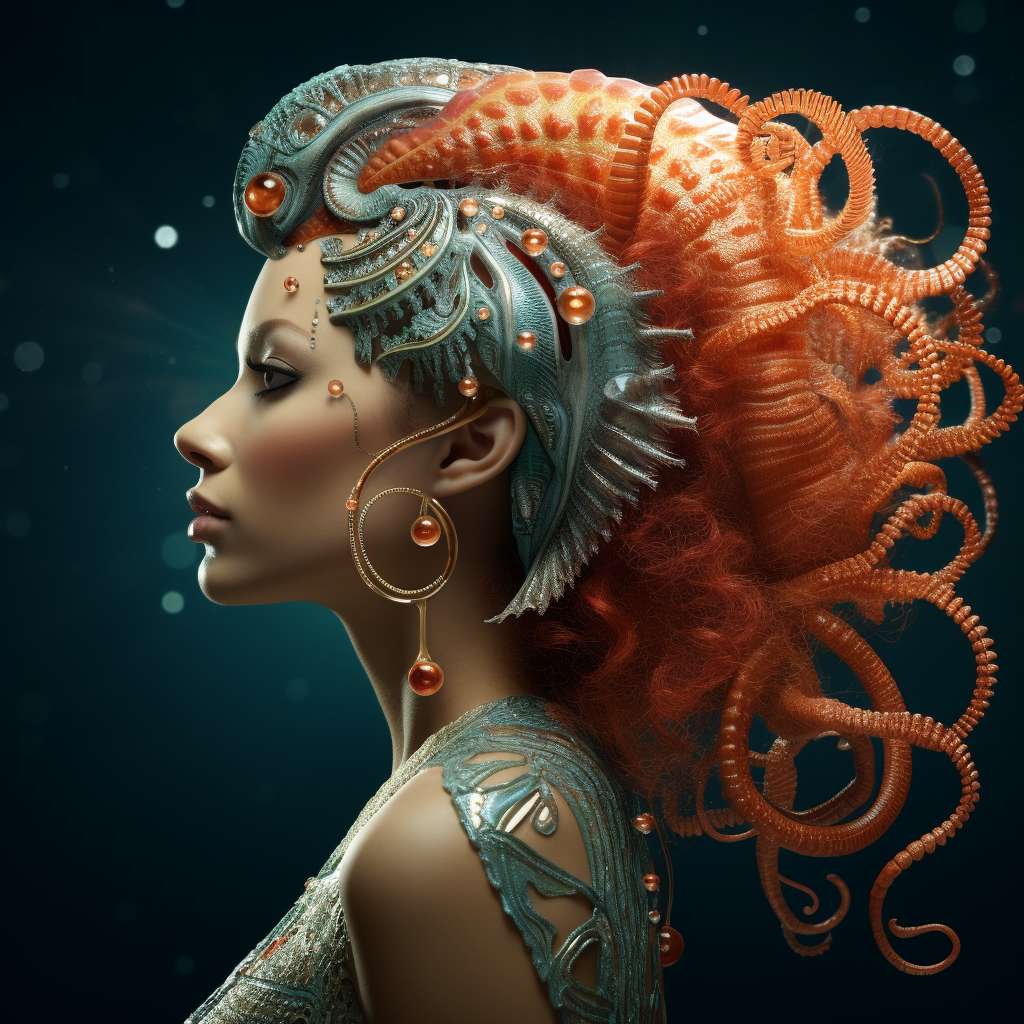
Fantasy Art Digital Paint

Tattoo Studio Leeds

Fantasy Art: Unleashing the Imagination
 
Fantasy art is a captivating genre that transports us beyond the realms of reality, into worlds filled with magic, mythical creatures, and epic adventures. It is a form of artistic expression that allows the imagination to soar, creating awe-inspiring visuals that captivate and inspire viewers. In this exploration of fantasy art, we will delve into its origins, the characteristics that define the genre, and the enduring allure it holds over artists and audiences alike.
 
The origins of fantasy art can be traced back to ancient mythology and folklore, where tales of gods, heroes, and fantastical creatures were passed down through generations. From ancient civilizations to medieval folklore, these stories ignited the human imagination, inspiring artists to depict these otherworldly beings and magical landscapes. Artists throughout history, from Hieronymus Bosch to J.R.R. Tolkien, have contributed to the rich tapestry of fantasy art, weaving tales through their visual creations.
 
What defines fantasy art is its departure from the constraints of reality. It defies the limitations of the physical world, allowing artists to bring their wildest dreams and imaginings to life on canvas or through digital mediums. Magical realms, enchanted forests, towering castles, and mythical creatures populate fantasy art, evoking a sense of wonder and escapism. From dragons to fairies, unicorns to wizards, these iconic elements have become staples of the genre, instantly recognizable and beloved by fans worldwide.
 
Fantasy art is known for its rich and intricate detail. Artists painstakingly render every aspect of their creations, from the smallest blade of grass to the elaborate armor of a warrior. The level of craftsmanship involved in fantasy art is a testament to the dedication and skill of the artists who bring these visions to life. Through meticulous attention to texture, lighting, and color, they create immersive worlds that invite viewers to explore and lose themselves within the art.
 
Another hallmark of fantasy art is its ability to evoke a sense of awe and wonder. These imaginative worlds transport us to places far beyond our own reality, where the laws of nature can be bent or broken. The fantastical landscapes, mythical creatures, and epic battles depicted in fantasy art ignite our sense of adventure and stir our emotions. Whether it is the ethereal beauty of an elven kingdom or the epic clash of sword and sorcery, fantasy art evokes a profound emotional response, capturing our imaginations and inviting us into a realm of limitless possibilities.
 
Fantasy art has also permeated popular culture, extending its influence beyond the realm of traditional art. It has found a home in literature, film, and video games, where artists collaborate to create cohesive and immersive worlds. From the intricate illustrations in fantasy novels to the breathtaking visual effects in blockbuster films, fantasy art continues to shape and enrich our collective imagination.
 
In conclusion, fantasy art is a genre that unleashes the imagination, taking us on a journey to extraordinary realms. Its origins in mythology and folklore, its departure from reality, and its ability to evoke wonder and emotion make it a timeless and cherished form of artistic expression. Fantasy art invites us to dream, to explore, and to believe in the extraordinary, allowing our imaginations to soar to heights beyond the confines of the everyday.
 
Click link bellow to follow me on Instagram.


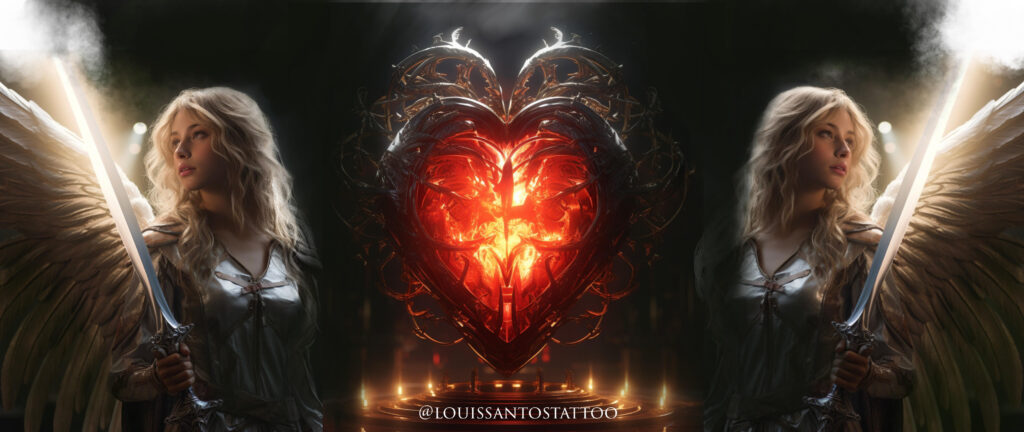
Guardian Angel, Sacred heart, Digital art

Tattoo Studio Leeds

The intersection of artificial intelligence (AI) and art is an intriguing and transformative realm that has the potential to reshape the creative landscape. In this 1000-word exploration, we will delve into how AI could affect art, including the generation of artwork, the creative process, artistic collaboration, and the impact on artistic expression and appreciation.
 
One of the most significant ways AI is influencing art is through the creation of artwork itself. AI algorithms, such as generative adversarial networks (GANs) and deep learning models, have been employed to generate original pieces of art. By training on vast datasets of existing artwork, these algorithms can learn patterns, styles, and compositions, and then generate entirely new and unique images, paintings, or sculptures.
 
This AI-generated art raises intriguing questions about the nature of creativity and authorship. While some argue that true creativity can only stem from human imagination and emotion, others view AI-generated art as a collaboration between human and machine, where the artist guides and curates the AI’s output. This blending of human and AI creativity challenges conventional notions of what it means to be an artist and opens up new avenues for artistic exploration.
 
Moreover, AI can assist artists in the creative process itself. Machine learning algorithms can analyze vast amounts of data, including images, texts, and music, to provide inspiration and generate ideas. AI tools can suggest color palettes, compositions, or even generate rough sketches based on specific criteria or artistic styles. This augmentation of human creativity with AI assistance can enhance the artist’s workflow and stimulate new directions in their artistic practice.
 
AI also enables unprecedented collaborations between artists and machines. Artists can leverage AI algorithms to create interactive installations, performances, or immersive experiences. For example, AI-powered systems can respond to audience input or environmental data, creating dynamic and adaptive artworks. This fusion of human creativity and AI’s computational power can push the boundaries of artistic expression and engage viewers in novel and unexpected ways.
 
Additionally, AI has the potential to revolutionize the art industry by enhancing art curation, recommendation systems, and personalized experiences. AI algorithms can analyze vast art databases, learn individual preferences, and provide tailored recommendations to art enthusiasts. Museums and galleries can employ AI to optimize exhibition layouts, predict visitor engagement, or even create virtual art experiences that transcend physical limitations.
 
However, the integration of AI into the art world is not without its challenges and ethical considerations. One concern is the potential loss of human touch and the personal, emotional connection between the artist and their artwork. While AI can generate visually stunning pieces, it may lack the depth and emotional resonance that comes from human experiences and narratives.
 
Moreover, the accessibility and democratization of AI-generated art raise questions about originality, copyright, and intellectual property. As AI algorithms learn from existing artworks, there is a risk of unintentional plagiarism or reproducing derivative works. Addressing these ethical concerns requires careful consideration and the development of legal frameworks to protect the rights of artists, whether human or AI-assisted.
 
Despite these challenges, the integration of AI in art offers exciting opportunities for innovation and exploration. It pushes artists to reconsider their creative processes, collaborate across disciplines, and explore new frontiers of expression. The fusion of human imagination and AI’s computational capabilities can unlock novel artistic visions and challenge traditional boundaries.
 
In conclusion, AI’s impact on art is multifaceted and transformative. From AI-generated artworks to assisting artists in the creative process, enabling collaborations, and enhancing art experiences, AI is reshaping the artistic landscape. While ethical considerations and challenges persist, the integration of AI in art holds immense potential to inspire, provoke, and expand the horizons of human creativity.


3D Mandala Under Water Tattoo

Leeds Tattoo Studio

3D tattoos, also known as three-dimensional tattoos, are a type of body art that creates the illusion of depth and realism on the skin. Unlike traditional tattoos that typically have a two-dimensional appearance, 3D tattoos use shading, highlights, and perspective techniques to make the design appear as if it’s popping out of the skin or creating a realistic three-dimensional effect.
 
These tattoos require a skilled tattoo artist who is experienced in creating depth and dimension through shading, use of color, and intricate details. The artist uses techniques like shadowing, highlighting, and perspective to create the illusion of depth, making the tattoo design appear more lifelike.
 
3D tattoos can take various forms, ranging from hyper-realistic portraits and animals to optical illusions, surreal imagery, or even objects seemingly embedded in the skin, such as gears or mechanical components. Popular subjects for 3D tattoos include insects, flowers, skulls, animals, and fantasy-themed designs.
 
It’s important to note that the effectiveness of a 3D tattoo depends on various factors, including the skill of the tattoo artist, the placement on the body, and how well the tattoo ages over time. Additionally, the level of three-dimensionality may diminish as the tattoo ages or if the skin changes shape due to factors like weight fluctuations or aging.
 
As with any tattoo, it’s crucial to do thorough research and find a reputable and experienced tattoo artist who specializes in 3D tattoos. They can discuss your design ideas, assess feasibility, and provide guidance on how to achieve the desired three-dimensional effect. Remember that tattoos are permanent, so careful consideration and planning are essential before getting any tattoo.

Click link bellow to follow me on Instagram and Tik Tok


Buddha Realistic Tattoo

Tattoo Artist Leeds

Buddha, also known as Siddhartha Gautama, was a spiritual teacher and the founder of Buddhism. He lived in ancient India during the 6th and 5th centuries BCE. The word “Buddha” means “awakened one” or “enlightened one.”
 
According to traditional accounts, Siddhartha Gautama was born into a royal family in what is now modern-day Nepal. Despite his privileged upbringing, he became dissatisfied with the worldly pleasures and the suffering he witnessed in the world. Determined to seek answers to the fundamental questions of existence, he renounced his princely life and embarked on a spiritual quest.
 
For several years, Siddhartha Gautama pursued a life of asceticism and intense meditation, seeking enlightenment. Eventually, he abandoned extreme practices and found a middle path between self-indulgence and self-mortification. Underneath a bodhi tree in Bodh Gaya, India, he attained enlightenment at the age of 35.
 
After his awakening, Siddhartha Gautama became known as the Buddha and dedicated the rest of his life to teaching others about his insights and the path to liberation from suffering. His teachings, known as the Dharma, revolve around the Four Noble Truths and the Eightfold Path.
 
The Four Noble Truths explain the nature of suffering (dukkha), its causes, and the possibility of liberation from suffering. The Eightfold Path provides guidance on how to lead a virtuous and mindful life, aiming for the cessation of suffering and the attainment of enlightenment.
 
Buddha’s teachings spread throughout ancient India and beyond during his lifetime, establishing a community of monks and nuns known as the Sangha. Buddhism gained popularity across various regions and evolved into different schools and traditions.
 
Buddha’s teachings emphasize the impermanence of all things, the interconnectedness of life, and the potential for every individual to attain enlightenment through their own efforts. Buddhism has had a profound impact on the spiritual, philosophical, and cultural landscape of Asia and continues to be practiced by millions of people around the world as a path to self-discovery and liberation.

Click link bellow to follow me on Instagram and Tik Tok, thank you

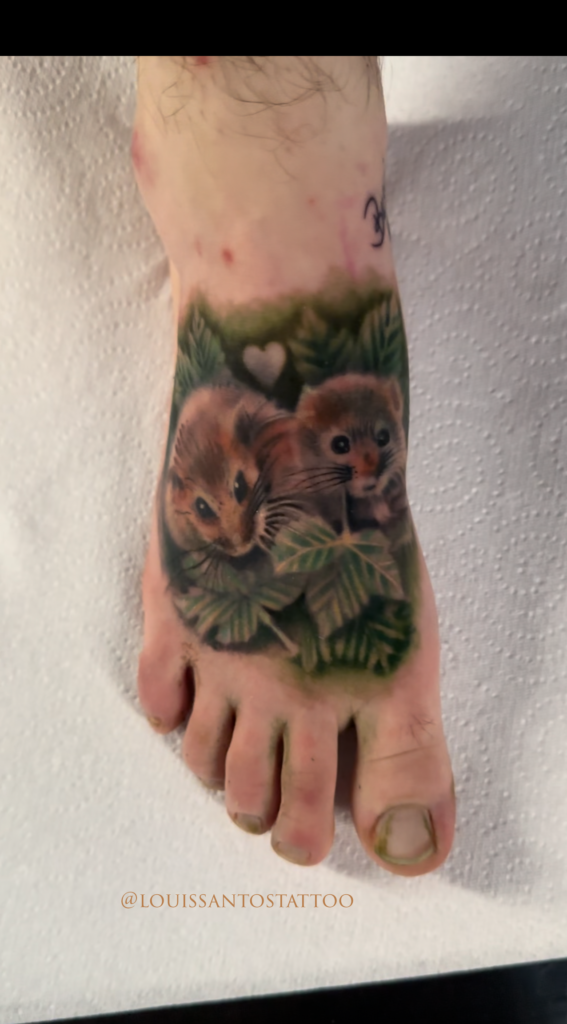
Realistic Femine Mice Tattoo

Leeds Tattoo Artist

I was requested to tattoo 2 mice on the foot, i was a bit worried about it as, the was a lot going on for such a small area to tattoo, however, the client, she was very patient, so i let her know, how much i needed to take my time in order to make the tattoo work, and as she accepted and undestood that, i was happy to go ahead with the request. We were happy with the end result, and she came back in the end for a touch up session, which it made me sure, if she wanted another tattoo, i would be happy to help. Tattooing is not only about tattooing, is about energy too, a good vibe is very important, so having aconsultation is very important. Tattoo artists, we want to work in a good frame of mind, and in order to work with a good frame of mind, the energy has to be right. Thats why if youy meet someone, and the energy is tense, and the energy is off, do not go ahead with tattooing.
 
Mice are small mammals belonging to the order Rodentia and the family Muridae. They are known for their small size, pointed snouts, rounded ears, and long, hairless tails. Here are some key facts about mice:
 
1. Species Diversity: There are numerous species of mice found worldwide, with the house mouse (Mus musculus) being one of the most common and widespread. Other species include the deer mouse, field mouse, and wood mouse, among others.
 
2. Habitat and Distribution: Mice inhabit a wide range of environments, including forests, grasslands, and urban areas. They can be found on every continent except Antarctica, adapting to diverse climates and ecosystems.
 
3. Diet: Mice are omnivorous, feeding on a variety of food sources. Their diet typically consists of seeds, grains, fruits, insects, and small invertebrates. However, house mice are known for their scavenging abilities and can adapt to consuming human food scraps if available.
 
4. Reproduction: Mice reproduce rapidly, with females capable of having several litters in a single year. The gestation period is relatively short, lasting around three weeks. A litter can consist of several pups, and they reach sexual maturity quickly, often within a couple of months.
 
5. Behavior: Mice are primarily nocturnal creatures, being more active during the night. They have excellent hearing and a keen sense of smell, which helps them navigate their environment and locate food. Mice are agile climbers and can squeeze through small openings due to their flexible skeletons.
 
6. Role in Ecosystems: Mice play important roles in ecosystems as both prey and seed dispersers. They are a food source for predators such as snakes, birds of prey, and carnivorous mammals. Additionally, mice aid in seed dispersal by consuming plant seeds and carrying them to new locations.
 
7. Relationship with Humans: While mice can be considered pests when they infest homes or damage crops, they have also contributed significantly to scientific research. Mice are commonly used in laboratory studies due to their genetic similarities to humans and their short breeding cycles.
 
Click link bellow for youtube video, and to follow me on Instagram.


Female Viking Warrior Digital Sculpture

Tattoo Artist Leeds

I have lately been experimenting with Z Brush, and this digital modern medium is completely blowing my mind. Its a digital sculpture, which you can sculpt digitally, zbrush can give you a start with which shape you would like to work with, and you can take from that. The history of female Viking warriors is an intriguing topic, although there is limited historical evidence to support their existence. Vikings, who lived during the Viking Age (approximately the 8th to 11th centuries), were primarily known as skilled seafarers, traders, and raiders from Scandinavia.

While Norse sagas and mythological texts mention strong and valiant women, such as shieldmaidens and Valkyries, it is challenging to separate historical fact from myth and legend. Some sagas, like the Icelandic sagas, describe women who took up arms and participated in battles alongside men. However, these sagas were often written centuries after the events they portray and are more focused on storytelling than historical accuracy.

Archaeological evidence has provided limited support for the existence of female Viking warriors. Excavations have revealed graves of women buried with weapons, such as swords and arrows, suggesting that they might have had a martial role in their society. However, it is difficult to ascertain if these women were warriors in the traditional sense or if their graves represent a symbolic connection to weaponry.

Additionally, historical records from the time rarely mention female warriors, focusing more on male warriors and leaders. It’s possible that women may have played supportive roles in Viking society, such as strategists, healers, or even defenders of their homesteads during times of conflict, but it is challenging to determine their exact roles and the extent of their involvement in warfare.

The popular image of the fierce female Viking warrior is undoubtedly captivating, but it’s important to approach the subject with caution due to the lack of definitive historical evidence. Our understanding of the lives and roles of Viking women is continually evolving as new archaeological discoveries and research shed light on this intriguing aspect of history.

Click link bellow to follow me on Instagram

Egyptian Mythology Tattoo

Amara Female Egyptian Warrior

Leeds Tattoo Palour

Once upon a time in ancient Egypt, there lived a fierce and skilled warrior named Amara. She possessed unmatched strength, unwavering determination, and a heart full of courage. Amara’s prowess on the battlefield was renowned, and she was respected and feared by both allies and foes alike.
 
One fateful day, during a heated battle against a rival kingdom, Amara found herself separated from her comrades. She fought bravely, wielding her sword with precision and her shield with unwavering resolve. As she clashed with her opponents, an unexpected twist of fate led her to a hidden chamber deep within an ancient temple.
 
Inside the chamber, Amara discovered a mystical artifact—a glowing gem of extraordinary beauty and power. Intrigued by its radiance, she reached out to touch it, and at that moment, a surge of energy coursed through her body. She felt a strange connection with the gem and an overwhelming sense of calm and clarity washed over her.
 
Amara’s warrior instincts gave way to a newfound curiosity and a desire for knowledge. Guided by the mysterious gem’s energy, she embarked on a spiritual journey, seeking enlightenment and wisdom. She delved into the ancient teachings of her ancestors, studying the ways of the pharaohs and the mysticism of the land.
 
Through her quest, Amara learned about the delicate balance between strength and compassion, power and humility. She discovered that true enlightenment lay not only in the physical battles she had fought but also within her own soul. She trained her mind as rigorously as she trained her body, mastering the art of self-reflection and meditation.
 
As she grew spiritually, Amara’s presence on the battlefield changed. She no longer fought with blind aggression but with a profound understanding of her adversaries and the conflicts that plagued their hearts. She became a symbol of hope, a beacon of light in the darkness of war.
 
Word of Amara’s transformation spread far and wide, reaching even the ears of the pharaoh himself. Intrigued by her enlightenment and inspired by her dedication to peace, the pharaoh summoned her to his court. There, Amara shared her newfound wisdom and taught others the value of balance, compassion, and understanding.
 
Amara’s journey from a fearless warrior to an enlightened sage inspired countless others, both men and women, across the land. Her legacy became intertwined with the ancient tapestry of Egypt, reminding future generations that true strength came not just from physical might, but from the harmony of body, mind, and spirit.
 
And so, Amara, the Egyptian Female Warrior, forever etched her name in the annals of history as a beacon of enlightenment and a testament to the power of transformation.


  • Book your tattoo